

You bought the book.
You got through the introduction and maybe 20 pages, and then a week went by where you did not pick it up, and then another...
The bookmark is still sitting there where you left it. Hey, I know, been there before, too.
You say you will get back to it. You won’t, and you know it, and there is shame under the knowledge, bro.
This article is for you.
First, you have diagnosed yourself wrong.
16 Minutes
The average American reads for about 16 minutes a day. He watches 2 hours and 37 minutes of television.
Television beats books by 10 to 1.
There is a war going on for attention.
You Were Never Taught
Here is the part diagnosed wrong.
You are not lazy, slow, or one of those people who is just not a reader, whatever that is supposed to mean.
You were never trained.
Reading a real book is a skill, and like every other skill it has to be built, on purpose, over time. Nothing in the last 20 years of your life has asked you to hold a single thought for hours on end.
Work is a constant distraction.
A phone actively prevents single thoughts from being held.
20 years of training to have your attention constantly consumed.
Decades of getting good at small pieces of information in a few seconds, then moving on, and you’re surprised you can’t do things you never practiced?
Reading is a skill our culture doesn’t want you to have.
Why It Feels Like That
There is a reason good books are hard. Why they can sometimes feel like a fight, like a challenge.
Our culture seeks to make everything serve you. It’s the cult of self I write about. The cult wants you to set the terms, choose the pace, the length, when to stop, whether to finish.
The feeds on our screens order themselves around our desires, our likes, what we engage with, what triggers us. It takes our favorite shows, and cuts them into small clips. You are the center of the transaction; the user being trained.
Book are different. For hours you are inside another man’s mind, on his terms, at his speed, and he is not adjusting for you. This is the discomfort. It is also the entire value.
A man who can only receive what is cut to his preferences is being managed.
A man who can read is no longer manageable.
Don’t Try to Bench 315lbs, Day 1
You picked up Crime and Punishment or the Iliad, got your butt kicked and concluded something about yourself. Maybe, you think, you are not smart enough. These books are for other people. Whatever men used to have, you have lost.
Now picture a man who walks into a gym for the first time in fifteen years, loads 315 on the bar, fails it, and walks out having decided weightlifting isn’t for him.
You would tell him he is being ridiculous. You would tell him the weight is heavy because there is something there. If he puts 135 on the bar and he shows up Tuesday and Thursday consistent in a year, when he gets under 315, it will move.
The great books are heavy for the same reason.
They are hard because there is something in them worth the difficulty of getting.
You do not need a different mind. You need a smaller starting weight and a schedule.
What a Book Did to Me
In graduate school, Christ had already called me. I had heard it. What I could not do was see my own sin. It was invisible to me, the way your own face is invisible to you without a mirror.
Dostoevsky handed me the mirror. I remember the autumn afternoon outside the business hall when Dostoevsky’s writing crushed me. He showed me my ego and made me set it down. He made me understand that my crime was not against laws, another person, or other type of rule, but against God. He showed me what the punishment actually was, which was not anything anyone would ever do to me. It was my own consciousness, which does not stop, and which knows.
I opened a book called Crime and Punishment and found that both words were a mirror for my own sins. Was it an easy read? No, those first 100 pages were a fight with a man going insane.
This is what a great book can do. It can change you.
Do You See Your Own Sin?

When I first began praying, truly praying, I believed in God’s existence. I was seeking, but I didn’t yet see myself clearly. I thought belief was enough. Faith alone, I stumbled along for a couple years. Then I read Crime and Punishment and God used Dostoevsky to shatter me.
5 Books
These are short enough to finish and deep enough to count. Training weights.
Every one can be read by a working man with a job and children, and every one is carrying a full-grown idea.
1. The Book of Ruth. 4 chapters. Read it first for 1 reason, which is that you will finish something. Let that completion overcome a lie you have been believing: Scripture is hard. No, most people just start in the wrong place. They start with Genesis and by Leviticus it breaks them. Start with a love story, a redeemer, a man of the law, the line of David, of the coming Incarnation of God.

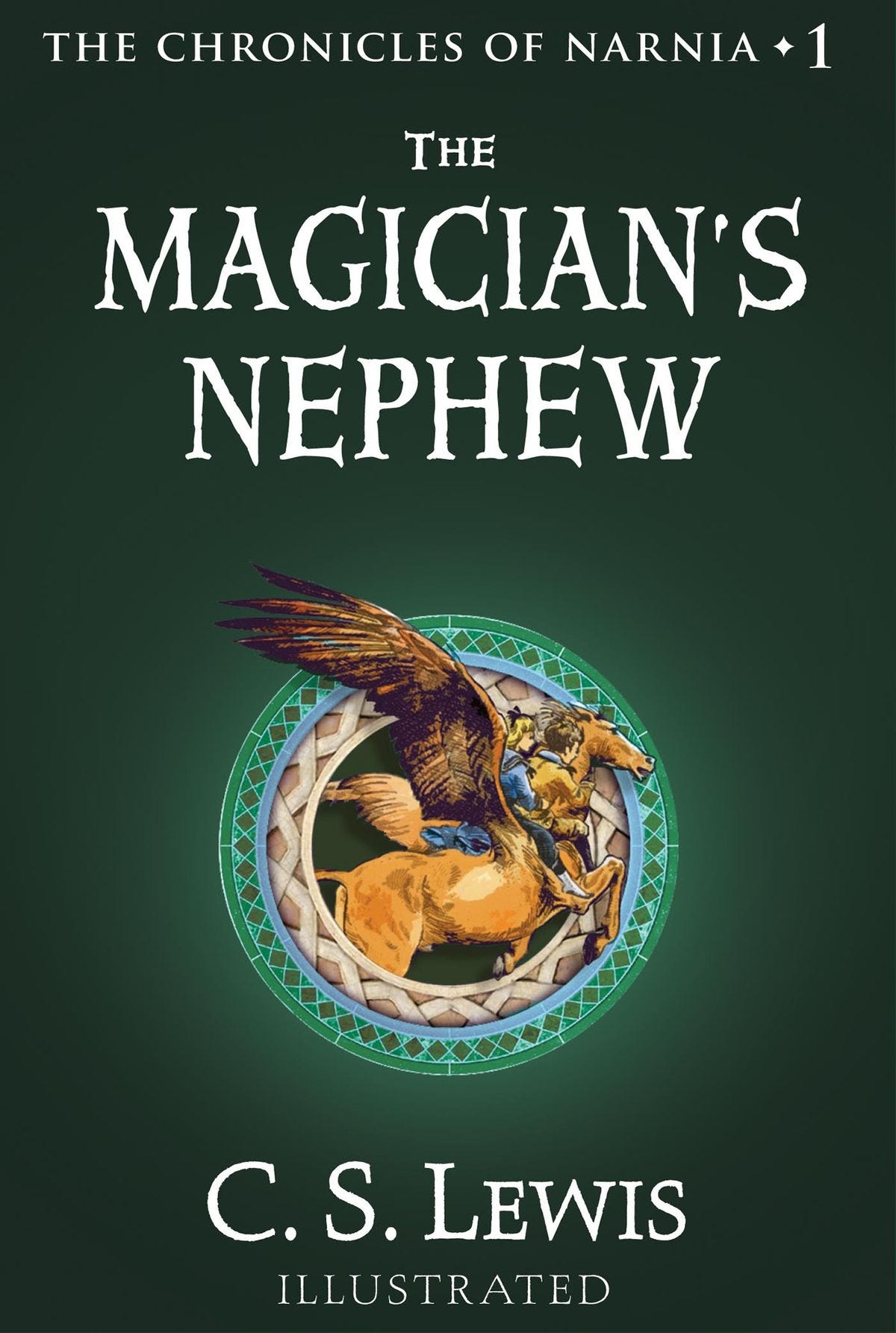
2. The Magician’s Nephew. C.S. Lewis. About 200 pages, written for children, carrying a doctrine of the fall of mankind. A boy rings a bell he was warned not to ring because he has to know. You can finish it with a few consistent readings and spend weeks thinking about it.
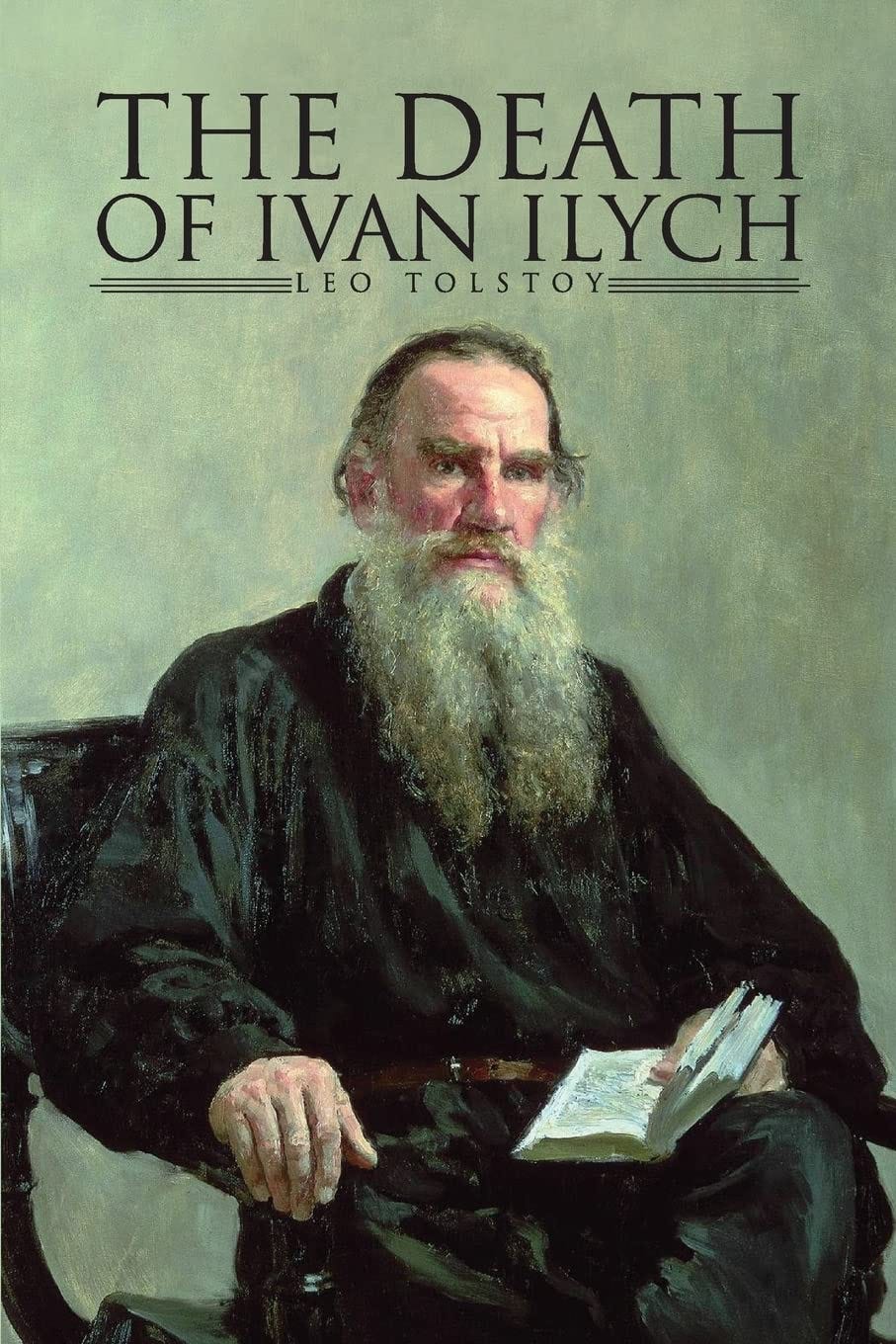
3. The Death of Ivan Ilyich. Tolstoy. 60 pages. A man builds the life he was told to build, in the order he was told to build it, and at the end learns the whole thing was wrong. Remember you die.
4. A Christmas Carol. Dickens. A 100 pages. A man is shown the story of his life and what it will mean. The narrator would have you understanding your life’s purpose is what matters most. Most people have watched this movie, but never read it. They are not the same, the ignorance and want, work deeper into your heart when the paper sits before you.

5. On the Incarnation. St. Athanasius, the edition with the C.S. Lewis introduction. 90 pages, written in the 4th century, on why God became man.
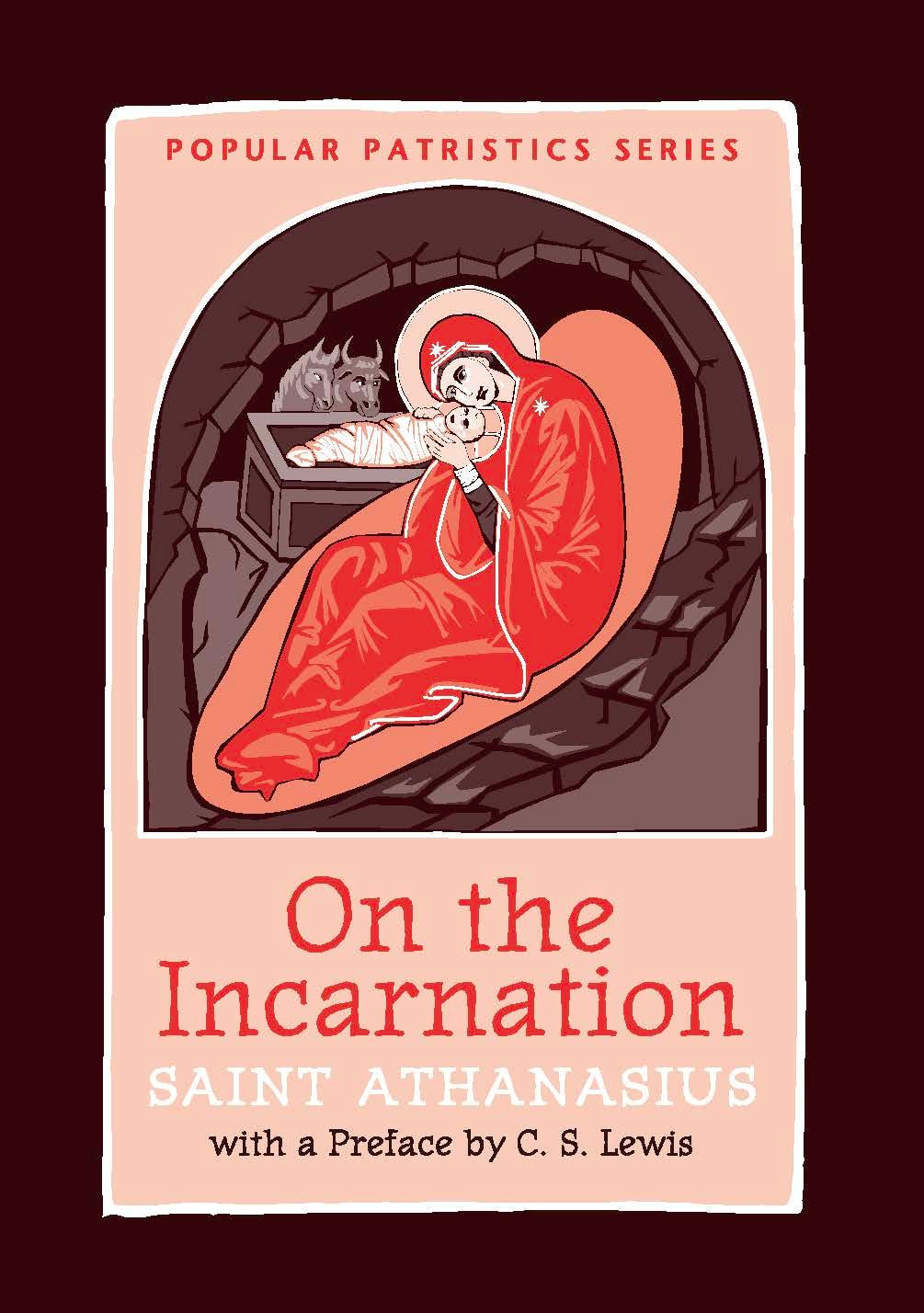
The first 4 carry you on a story. This one asks you to hold an idea. Read Lewis’s preface. It is a beautiful argument about reading old books instead of reading books about old books. Lewis walks you to the door of wisdom and invites you in.
Finish those 5 and you’ll be ready for more meat. The full Chronicles of Narnia, Tolkien, perhaps even Dostoyevsky or Tolstoy when you’re ready for a challenge.
3 Habits
A book is a physical object holding something real. Handle it physically with 3 habits designed to take the wisdom out of your mind and distill it for life.
1. Take notes while you read.
Don’t worry about getting it all down. You choose what matters. Make notes, dog ear pages, highlight, write in the margins, or in a note pad. Keep it simple. Choosing what matters is the reading.
2. When you finish, distill the notes.
Sit down with your marks and boil them into a short summary, maybe like a page. What the book actually said, what it did to you, the three lines you do not want to lose.
3. Tell some one what it said, in your own words.
Your wife over dinner. A friend who reads. A text to a buddy. A blog post on the internet. This is where it sticks, and it is the step men skip. Something happens between knowing a thing and saying it out loud to another person. Until you have said it you do not actually know whether you have it.
All three of these hold up under the research on how people retain what they read. Sources at the bottom.
And if you have no one to tell, tell me. Put it in my DMs. I read them.
Something Is Turning
There is real good news.
Over 59,000 people are currently reading the great books of Western civilization together at Athenaeum Book Club.
They are reading Homer, Plato, Aristotle, and others, on a schedule, with other people.
59,000 men and women decided this was worth doing and went and did it.
The door is open. You need to be able to walk through it.
Books and Parchments
Paul wrote his last letter from a Roman prison, knowing his death was coming. He is cold, most of his friends have left, and he is writing to Timothy to ask him to come before winter.
He asks for 3 things. The cloak he left at Troas. The books. Especially the parchments.
A man at the end of his life, with nothing left to gain wanted his books brought to him. Why? Because the reading was still doing something to him with weeks left on the clock.
This is what is at stake.
What This Is Truly About
What you can read, you can hand down. The most valuable thing I own is not a bank balance to hand down, even if it has millions. It is my library.
Next to the Holy Spirit and loving memories, everything worth passing to your children lives inside sentences written down. Scripture. Lives of Saints. Writings of Great Men. Stories of Truth.
The capacity to go get those sentences is a skill you can build. A man who cannot sit with a hard book has no way to reach any of it.
Your sons will inherit the attention you have. They are watching. They will make up their minds about whether reading is a thing a man does based on what you do.
If you do nothing, the answer will be no.
4 chapters of Ruth. A pen and whatever paper is on the desk. Start.
There are things worth having that are only kept in books, and you were made to carry more than what fits on a screen.
Build a legacy death cannot take.
Subscribe. Get the Legacy Audit. Start building a legacy death cannot take.
Not ready yet? Start with the foundational essay on the cult of self. Read one piece and decide for yourself whether this is the voice you want in your life.
Sources:
Reading and television minutes: Bureau of Labor Statistics, American Time Use Survey, 2025 annual averages.
Note-taking by hand: Mueller & Oppenheimer, Psychological Science, 2014; Flanigan et al., Educational Psychology Review, 2024.
Retention and recall: Roediger & Karpicke, Psychological Science, 2006. 4
Explaining what you read to another person: Kobayashi, Educational Psychology Review, 2024.
Athenaeum Book Club subscriber figure: athenaeumbooks.com.
I have a hard time reading since I had a stroke behind the retina and all those injections and I can't see well at night. Old age. Read while you can! I still read some everyday. We'll, almost everday.